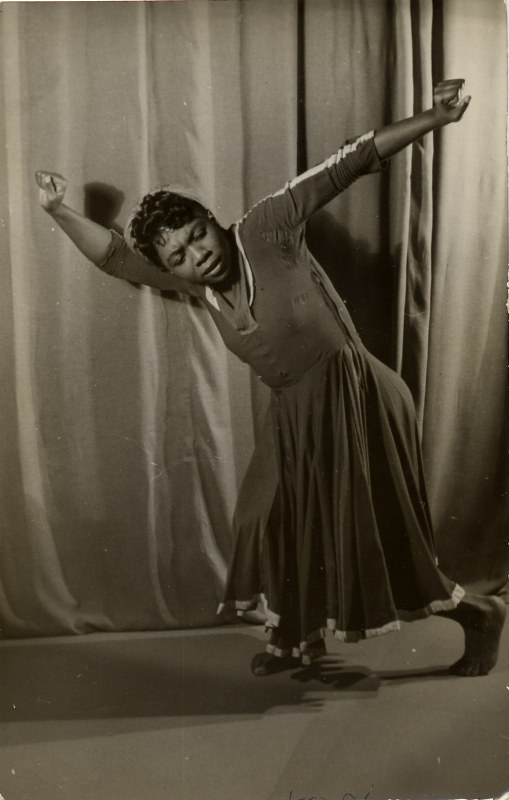
“The dance is strong magic. The body can fly without wings. It can sing without voice. The dance is strong magic. The dance is life.”
Pearl Primus – dancer, choreographer, anthropologist. Primus was integral in presenting African dance to American audiences.
Music and dance in African societies are synonymous. Certain dance forms in the history of African dance stand out due to their enduring legacy, for example the Adowa dance from Ghana (which transitioned in Trinidad), Capoeira from Angola and Congo (which was developed in Brazil and Martinique) and the Yankadi dance from Burkina Faso ( which became reincarnated as the Charleston dance).
African dance has had a significant impact on Western culture, especially in the US, Latin America and the Caribbean. From Capoeira (meaning ‘tall grass’, because the enslaved who performed this martial art would escape to hide in the tall grass to practise it. It’s now very similar to what we know as break-dancing today and we see elements of it in other martial arts forms such as MMA) to Hip Hop and tap dancing, African dance has influenced myriad dance forms across the world.
But music and dance in African cultures are much more than creative forms of expression. They hold a spiritual symbolism, too. Take the African drum, for example. The shape of the drum is in celebration of the birth canal.
Today’s DJs are, in a sense, drummers. The cutting and scratching we associate with DJs mimic the actions of the drummer. The rhythm of the drummer.
Africans see dance as the easiest path between two human beings, in the sense that it physically brings them closer together. It’s a celebration of life, of community, bringing people together.
For the African diaspora, especially African Americans, dance offers a connection to a past not forgotten, deepening the sense of self of the enslaved, a bridge between the past and the present. During the Transatlantic Slave Trade (16th to the 19th century), 12 million enslaved Africans, predominantly from West Africa, brought their cultures, their rhythms, their spirituality and their dreams, to the Americas (it could be argued that what could not be broken kept them alive)and, in so doing, changed the world with their spellbinding rhythms.
That spell has not been broken. Today’s TikTok generation cannot get enough of African dance moves, whether it’s the one-leg dance or the Azonto. Here are three of our favourite African dance moves.
The One-Leg
You’ll need to be pretty fit for this one…
This tutorial will teach you Azonto and Shoki dance moves
Bonus – A to Z of African dance moves
Which of these African dance moves would get you on the dance floor? Go on, tell us in the comments!
Further viewing: The Evolution of African Dance
This article was first published on pan-African.